
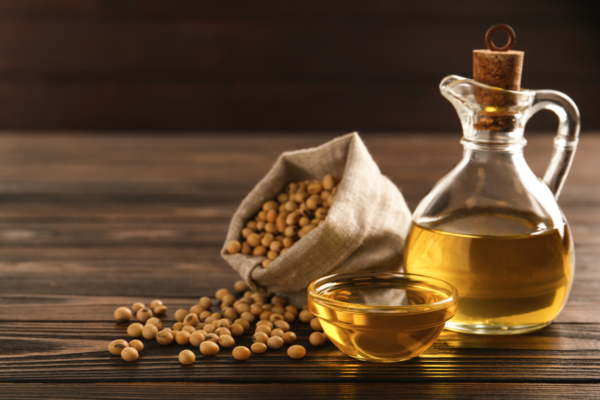
Soybean seed coat color may be associated with differences in oil content and lipid composition, according to research examining 169 soybean varieties with yellow, green, brown and black seed coats.
Researchers used Soxhlet extraction to measure oil content across the soybean accessions. The results showed a negative association between seed coat pigmentation and oil content, with yellow soybeans having the highest oil content and black soybeans the lowest.
Metabolomic analysis of eight representative soybean accessions, including two from each seed coat color group, found that lipid subclasses were consistently involved in significantly altered metabolic pathways across the groups.
Further lipidomic profiling identified 650 lipid species spanning five major classes and 26 subclasses. High-performance liquid chromatography analysis showed that total lipid content decreased as seed coat pigmentation increased.
The differences were primarily associated with changes in triglycerides, phosphatidylethanolamines, phosphatidylcholines and phosphatidylinositols, which are major components of soybean lipids.
Researchers also identified 38 lipids that accumulated at different levels in yellow and black soybeans. These lipids were significantly associated with the sphingolipid metabolism pathway, highlighting differences in lipid metabolism between the two seed coat color groups.
The findings clarify the relationship between soybean seed coat color and oil composition, potentially supporting the selection and functional use of different colored soybeans for food and dietary applications.
Source: npj Science of Food, "Quantitative lipidomics reveals differences in oil metabolism and nutritional profiles of soybeans with various seed coat colors"