
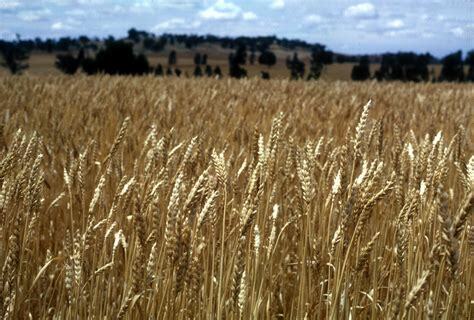
The International Livestock Research Institute (ILRI), Lukenya University and EdSource Africa are collaborating to strengthen dryland agriculture in Africa through research, education, policy engagement and investment in climate resilience and sustainable development.
The partnership aims to address challenges facing dryland regions, including drought, food insecurity and climate change, while supporting livestock production, sustainable land use and economic opportunities for pastoralists and farmers.
A central component of the collaboration is the annual Dryland Agriculture and Food Systems in the Face of Climate Change Conference. Since its inaugural event at ILRI's campus in Nairobi in 2024, the conference has brought together researchers, policymakers, development partners, private-sector representatives and community members to examine challenges and opportunities in dryland regions.
The conference has expanded into a platform for collaboration on climate resilience, livestock development, food security, sustainable land use and economic growth. The partnership also provides opportunities for academic staff, postgraduate students and young researchers through technical mentorship, scientific engagement and collaborative research.
One area of joint research by ILRI and Lukenya University focuses on the role of indigenous Acacia species in dryland production systems. Researchers are examining how the trees can contribute to livestock nutrition, soil restoration, biodiversity conservation, carbon sequestration, bee forage production and household incomes.
The research builds on Lukenya University's 10 Million Trees Initiative, launched following the Youth Pastoralists' Workshop in 2022, which aims to grow 10 million trees over 10 years. The collaboration combines ILRI's expertise in livestock systems, rangeland ecology and climate-smart agriculture with Lukenya University's community engagement and applied research capabilities.
The partnership is also working to connect scientific research with policy development and investment. In April 2026, EdSource Africa and Lukenya University convened a Diplomatic and Development Partners Dialogue hosted by ILRI at its headquarters in Nairobi.
The event brought together representatives from government, development agencies, diplomatic missions, financial institutions, civil society and the private sector to discuss investment and development opportunities in Africa's drylands.
The dialogue resulted in a position paper titled Repositioning Drylands in Africa: From Vulnerability to Strategic Investment and Resilience (2026-2030). The paper identifies opportunities to strengthen dryland economies through coordinated investment, improved governance and support for climate-smart agriculture and pastoral systems.
It also highlights challenges involving fragmented financing, weak coordination and barriers facing women and young people. Its recommendations include strengthening cross-border governance, encouraging enterprise development and expanding investment in dryland agricultural systems.
The process included engagement with the Ministry of Agriculture and Livestock Development to help connect scientific research with national development priorities.
The partnership's activities coincide with the International Year of Rangelands and Pastoralists 2026, which is drawing attention to the role of pastoral and dryland systems in climate adaptation and food security.
Looking ahead, the three organizations plan to explore additional opportunities in regenerative agriculture, climate-smart livestock systems, sustainable agroforestry, ecosystem restoration, pastoral livelihoods, nutrition-sensitive food systems and One Health.
The collaboration seeks to strengthen the connection between scientific research, policy and investment while supporting sustainable agricultural development and economic opportunities for communities across Africa's drylands.
Source: CGIAR, "From research to policy action"