
Breeding crops for farming systems rather than yield alone could help farmers tap untapped genetic potential and reduce fertilizer costs, according to researchers at the University of Queensland.
Researchers at the Queensland Alliance for Agriculture and Food Innovation are examining crop breeding as a genetic component of crop rotation, focusing on how one crop affects the performance of the crop that follows it.
Every crop leaves a legacy that can include changes to soil nutrients, water availability, soil structure and microbial communities. While crop rotation has long provided agronomic benefits, researchers said the genetic factors behind those benefits have received limited attention in plant breeding.
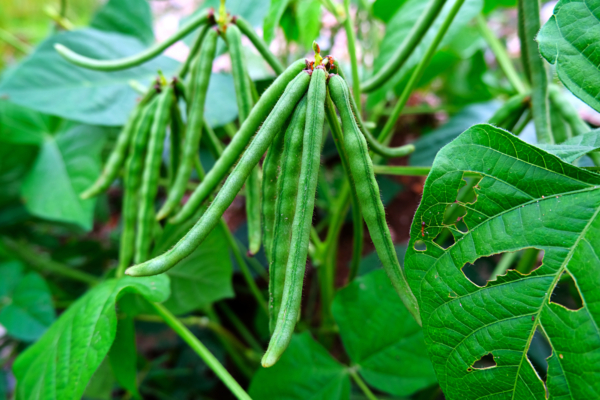
The research team tested the concept by growing more than 300 genetically diverse mungbean types at a research station in southern Queensland before planting the same wheat variety across all plots. Wheat yields varied by as much as 1 metric ton per hectare depending on the mungbean variety that preceded it.
Some mungbean varieties increased the following wheat crop's yield by 45%, while others reduced it by about half.
Researchers found that specific regions of the mungbean genome influenced how well the subsequent wheat crop performed. Some of those genetic regions appeared to have opposing effects, suggesting that genetic traits associated with higher yield in one crop can also influence the soil resources left for the next crop.
The team also used simulations to examine what would happen if crop selection accounted equally for mungbean yield and the yield of the subsequent wheat crop. The results showed potential gains in both crops, indicating an opportunity to breed for system-level productivity while reducing input requirements.
Researchers said more work is needed to determine the biological mechanisms responsible for the effects. The findings have demonstrated that the variation is real and heritable, but the underlying processes remain unclear.
The researchers said the approach could extend beyond mungbean and wheat to other rotations, including canola and wheat or chickpea and barley.
Advances in drones, genomics, crop modeling and computing are giving researchers tools to examine genetic variation at the population scale needed for crop breeding.
The researchers said breeding programs could eventually consider not only what a crop produces but also what it leaves behind for the next crop, potentially shifting crop improvement toward productivity across an entire farming system.
Source: University of Queensland, "Breeding for better rotations opens a new frontier in farming systems"